Poetry For All: Where Poetry Comes Alive

 P
P
oetry is as old as history itself. In fact, the earliest poetry predates the written word. According to some definitions, poetry is the primal and primary form of languages themselves.[1]
In oral traditions, poetry was a way of teaching historical information, recognizing family lineages, and handing down instructions for everyday activities… among other things.[2]
In a world with published textbooks, written genealogy records, and printed instruction manuals, poetry becomes a tool for self-reflection and self- expression.
It has the power to capture the essence of human experience. We can explore our deepest emotions through poetry, from joy and love to despair and grief. Robert Frost sums it up nicely:
Poetry is when an emotion has found its thought, and the thought has found words.[3]
Poetry not only allows us to reflect on our own experiences, it also enables us to connect with others who may have undergone similar situations. As cultural icon John Lennon pointed out:
My role in society, or any artist’s or poet’s role, is to try and express what we all feel. Not to tell people how to feel. Not as a preacher, not as a leader, but as a reflection of us all.[4]
You may ask, “can’t we also do that with prose?” The answer, of course, is yes. But, as playwright, novelist, and short story writer Somerset Maugham put it:
The crown of literature is poetry. It is its end and aim. It is the sublimest activity of the human mind. It is the achievement of beauty. The writer of prose can only step aside when the poet passes; he makes the best of us look like a piece of cheese.[5]
The Language
Of Poetry Is Unique
It often uses symbolism and metaphor to convey complex ideas in a succinct and impactful way. As Paul Engle observes:
Poetry is ordinary language raised to the Nth power. Poetry is boned with ideas, nerved and blooded with emotions, all held together by the delicate, tough skin of words.[6]
And, there’s an economy of language in poetry that differs from prose.[7] As poet Rita Dove points out:
Poetry is language is at its most distilled and most powerful.[8]
Then there’s the rhythm and sound of poetry. Which is evocative, drawing the reader in and immersing them in the language in a way that prose just doesn’t. T. S. Eliot hit the nail on the proverbial head when he observed that:
And this may actually be part of the reason that, these days, poetry is all too often seen as either highfalutin and confounding, or filled with frivolous fluff.

To Have Great Poets,
There Must Be Great Audiences, Too
It was Walt Whitman who said “To have great poets, there must be great audiences, too.” [10]
But, given the mindset so many people have about poetry these days, how do we cultivate such an audience? Well… the podcast Poetry For All is a great place to start!
This podcast makes poetry leap from the page in accessible ways. Listeners are introduced to poems that enliven, challenge, transform, and enrich our lives by award-winning teachers.
In each episode, listeners are introduced to a poem, and shown how it works. The hosts teach out a sense of wonder and appreciation. Guest presenters come from varying interests and very different worlds. And they learn from one another in each episode. In doing so, they open the world of poetry for anyone who wishes to explore it.
As Whitman’s nugget of wisdom suggests, and the Poetry For All website definitively states:
Poems are not finished until we read them. They crave conversation. They call for community. They live in the breath of each new reader and come alive in the exchanges they create.[11]
Poetry may seem like a solitary endeavor – that is, a single writer and a single reader. But, every poem written is actually in dialogue with poets beyond the one who wrote it. Every reader is also part of the discourse.
Whether you already love poetry or are just beginning to appreciate it, the Poetry For All podcast is the perfect way to experience poetry and join the conversation. You’ll “read a poem, discuss it, see what makes it tick, learn how it works, grow from it, and then read it one more time” – with a greater understanding than you had before.[12]
Here’s a list of episodes for your listening pleasure.
Jump into one that tickles your fancy.
And teachers… Poetry For All
is a wonderful resource for you too.
See Below For Related Posts

Share This Post, Choose A Platform!
Endnotes:
[1] Nemerov, Howard. “Poetry.” Britannica. https://www.britannica.com/art/poetry
[2] Beissinger, M.H. (2012). “Oral poetry”. Princeton, NJ: The Princeton encyclopedia of poetry and poetics. pp. 978–981.
Arsu, Sebnem (14 February 2006). “The oldest line in the world”. The New York Times.
[3] Donovan, Melissa. “Emotions and Poetry.” Writing Forward. https://www.writingforward.com/poetry-writing/quotes-on-writing-robert-frost-on-poetry
[4] John Lennon Quote. azquotes.com https://www.azquotes.com/quote/172565?ref=poetry
[5] Maugham, Somerset. Cakes and Ale: or The Skeleton in the Cupboard. New York: Doubleday, Doran & Company, Inc. 1930. Pg 358.
[6] AZquotes. https://www.azquotes.com/quote/529100?ref=poetry
[7] Majewski, Jessica. “Why Poetry Matters: The Significance of Poems in Our Lives.” When You Write. https://whenyouwrite.com/why-is-poetry-important/
[8] Rita Dove: ‘Poetry is language at its most distilled and most powerful.’” The Socratic Method. https://www.socratic-method.com/quote-meanings-and-interpretations/rita-dove-poetry-is-language-at-its-most-distilled-and-most-powerful
[9] T. S. Eliot. “Genuine poetry can communicate before it is understood.” Dante. London: Faber & Faber, 1929. Pg 16.
Quotes of the Owl.com https://quotesoftheowl.com/genuine-poetry-can-communicate-before-it-is-understood-t-s-eliot/
[10] Whitman, Walt. Complete Prose Works, vol. III. Philadelphia: David McKay Publisher, 1892. Pg 324.
[11] Poetry For All. https://poetryforallpod.com/about/
[12] Poetry For All. https://poetryforallpod.com/
Images:
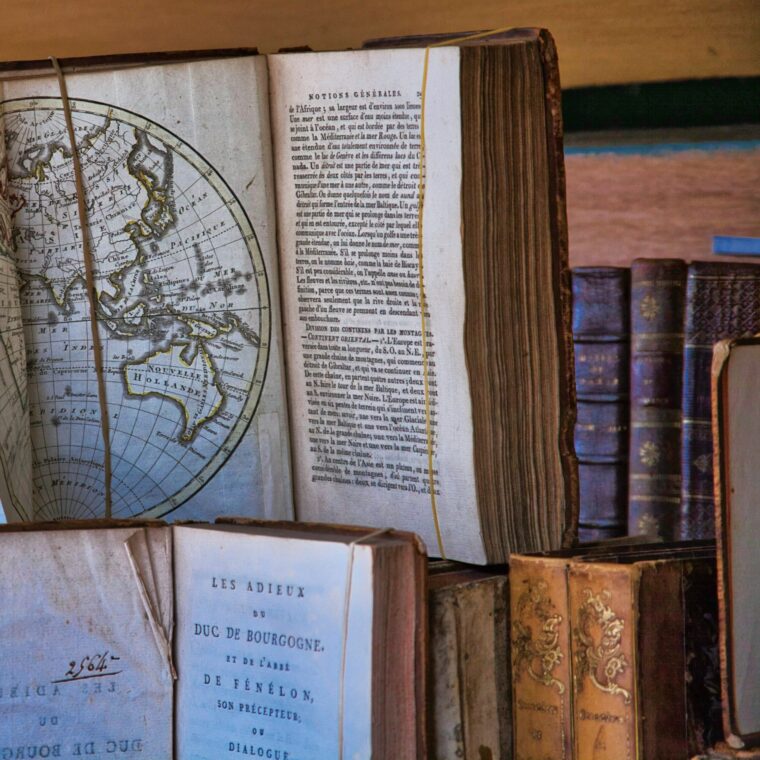
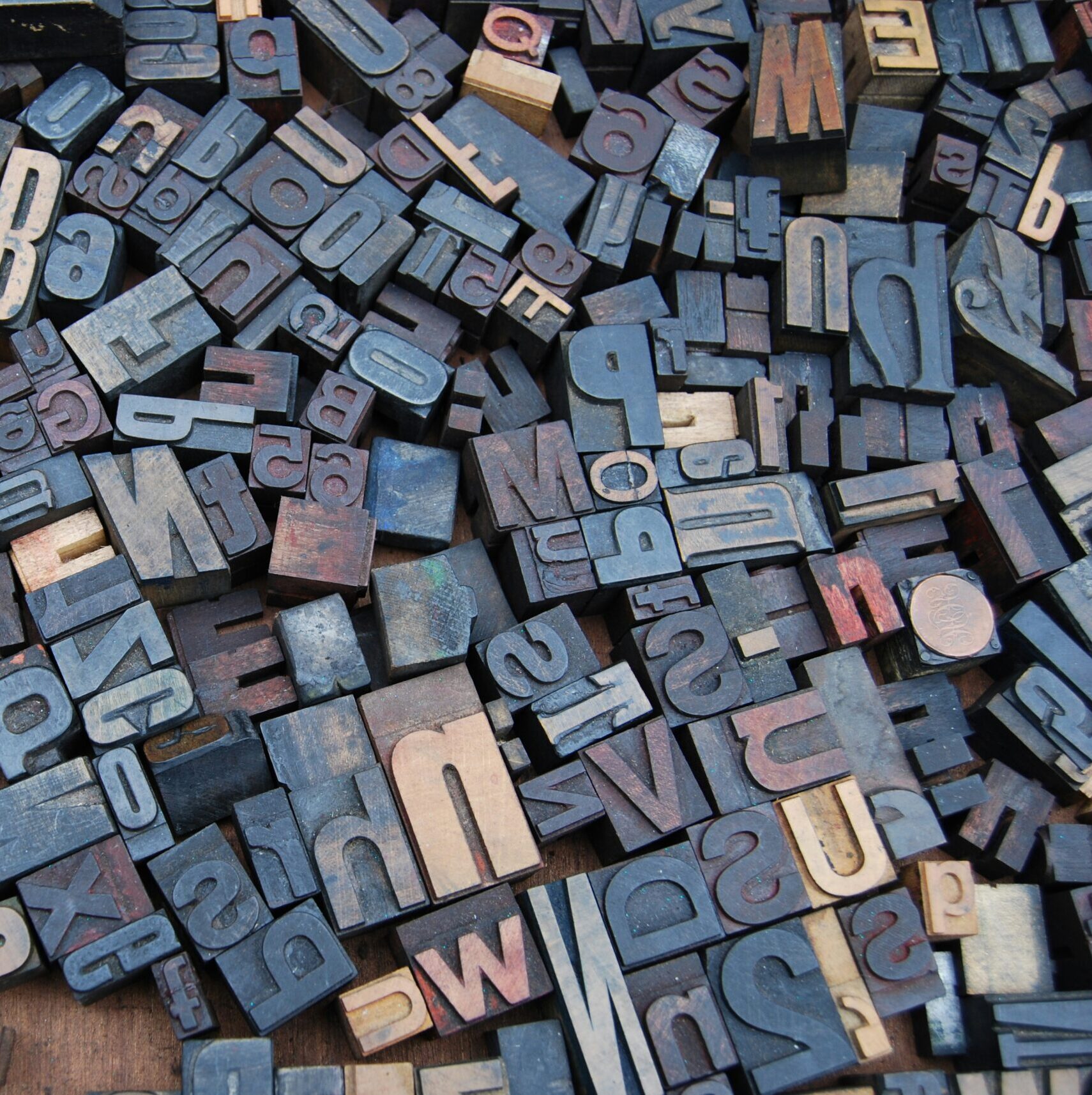
Where Poetry Comes Alive: Photo by Mona Eendra on Unsplash
The Language of Poetry: Photo by Amador Loureiro on Unsplash
There Must Be Great Audiences, Too: Photo by Thought Catalog on Unsplash

Share This Post, Choose a Platform!


Stay in the know about what’s in our ever-growing treasure trove of literary goodness. And, get your free Discover Everything a Book Has to Offer packet.






Related Posts

When we read books for more than just their surface narratives, literature and history work together. Here's a handful of resources for teachers to help students connect with the history inside literature. ... Read More
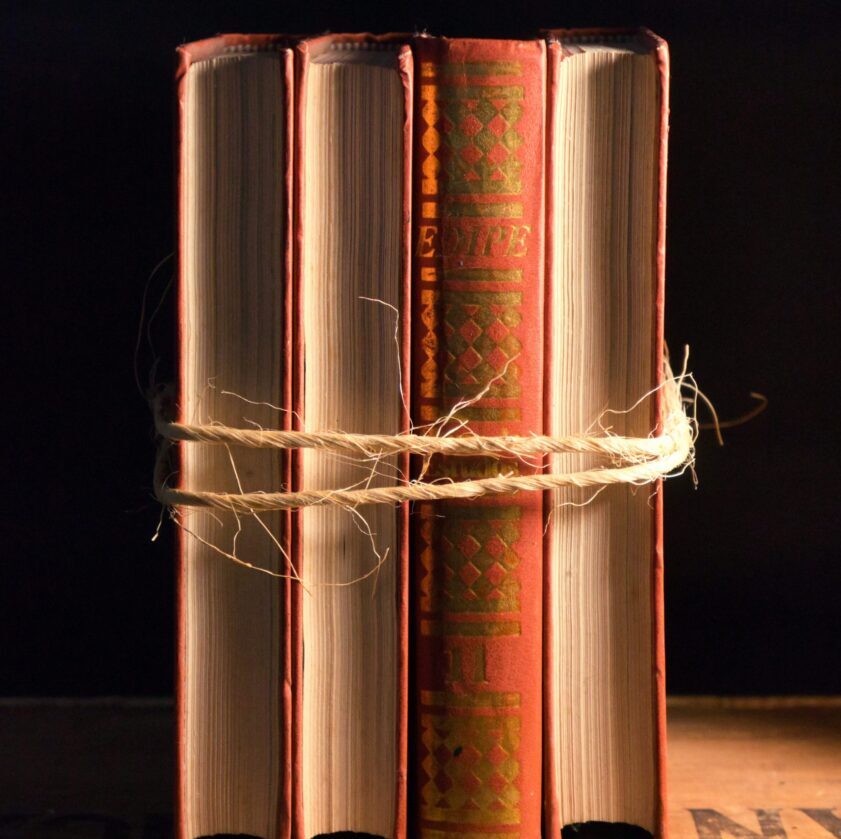
If you don't engage a book's symbolic language, you aren't getting half of what it has to offer. Like luggage, symbolism needs to be unpacked.... Read More
The Library of Congress' National Book Festival takes place on August 22. Can't make it in person? Be sure to check out the online options.... Read More

The more that you read, the more things that you'll know. The more that you learn, the more places you'll go. This aphorism may come from Dr. Seuss, but the wisdom it contains isn't just for kids. ... Read More