Jubilation! Freebies For National Poetry Month.
 A
A
pril is National Poetry Month! So, it’s time to celebrate this ancient form of literature. Poetry has served as a powerful vehicle for storytelling and social commentary for thousands of years. Yes, thousands… think Homer and his epic poems The Iliad and The Odyssey.
More recently, there’s Phillis Wheatley, recognized as the first African-American woman to publish a book of poems. Her Revolutionary War era works continue to be studied by historians.
There’s also Walt Whitman, known as “the world’s poet of democracy,” who set out to create an original, distinctly American form and style.
Then, there’s contemporary poet Amanda Gorman, the first-ever National Youth Poet Laureate. Her work focuses on issues of marginalization, oppression, race, and feminism, as well as the African diaspora.[1]
And, let’s not forget indigenous poet Joy Harjo, who served three terms as the 23rd Poet Laureate of the United States from 2019-2022. Harjo, reminds us that:
The literature of the aboriginal people of North America defines America. It is not exotic. The concerns are particular, yet often universal.[2]
Harjo’s observation speaks to the common humanity we all share, so often contemplated by untold numbers of poets through this timeless literary form.
Time To Celebrate
In today’s digitally driven world, poetry reminds us of the beauty of language. As well as the importance of reflection, and self-expression. To say nothing of the shared experiences that connect us all.
Whether it’s exploring themes of nature, identity, justice or love, poetry puts complex emotions into language that is both succinct and deeply moving. And, whether you’re a lifelong poetry enthusiast or are just discovering it… April is National Poetry Month, and that’s the perfect time to explore and celebrate this enduring literary form.
Many people read a poem every day. Others attend readings (virtual or otherwise), workshops, or open mic events. And, libraries, schools, and community organizations frequently host poetry-related programs, fostering connection and creativity. But, even writing a few lines in a journal can be a meaningful way to take part.
Find a way to celebrate that suits your particular fancy. The Academy of American Poets is a terrific resource for doing so. That goes double for teachers.
Resources For Every Age:
1. Checkout a book of poetry from your local library.
2. Read a poem or two before you go to bed.
3. Sign-up for Poem-a-Day, and read a poem with your coffee in the morning. Or, subscribe to the Poem-a-Day podcast.
4. Organize a poetry slam in your neighborhood.
5. Donate books of poetry to free libraries and mutual-aid networks.
7. Take a walk and write a poem about an object that you encountered.
8. Watch a movie about a famous poet. Check out this list.
9. Gather your friends and write an exquisite corpse… No, it isn’t something out of a horror movie. It’s a collaborative poetry game that emerged from the the Surrealist movement. Exquisite Corpse is a game played by several people. Each person writes a word on a sheet of paper, folds the paper to conceal it, and passes it on to the next player. The end result is an unpredictable, and often amusing, poem.
10. Needless to say, send a poem to a friend or loved one.
Resources For
K-12 Educators And Students
1. Learn more about our free lesson plans and other educational resources on Poets.org with this brief video guide.
2. Start each day or class period with a new poem.
3. Invite your students to watch living poets read poems and write their responses to those works through Dear Poet project.
4. Find your local state, county, or city poet laureate. If one doesn’t exist, find out how you can create a local poet laureate position.
5. Send your students on a scavenger hunt for favorite poems in the Poems for Kids section of Poets.org.
6. Ask your students to choose a poem to read aloud to their families.
7. Organize a reading of your students sharing original or favorite poems out loud.
8. Ask each student to create an anthology of their favorite poems.
9. Show your students these poets’ definitions of the word poetry and ask them to provide their own.
10. Decorate your learning environment with the National Poetry Month poster.
11. Explore the glossary and introduce your students to a different poetic term every day.
12. Sign up for Teach This Poem to receive a weekly poem, classroom activities, and multimedia resources.
13. Have your students make and send greeting cards to their family members featuring lines of poetry.
14. Browse these lesson plans about ars poetica poems (poems about writing) and assign your students to write their own.
15. Have your class choose poems and write them in chalk on the sidewalk or driveway.
16. Invite your students to read about ekphrastic poetry and write poems in response to their favorite pieces of art.
17. Make a playlist of audio recordings of poets reading their work and ask students to share it with friends.
18. Publish a school-wide literary journal or anthology of student poems.
19. Help your students find poetry events in the Poetry Near You calendar.
20. Celebrate Poem in Your Pocket Day on April 30, 2026 and ask your students to mail or email a poem to someone in their community.
Be sure to put these resources to good use
during National Poetry Month!
It’ll be more fun
than a book full of limericks.

See below for related posts.
#Celebrations #Teachers Resources #the art of reading
Endnotes:
[1] “Amanda Gorman.” Poetry Foundation. https://www.poetryfoundation.org/poets/amanda-gorman
[2] “Native American Poetry and Culture.” Poetry Foundation. https://www.poetryfoundation.org/collections/144560/native-american-poetry-and-culture
Images:
Jubilation!: Photo by Anna Zagranichna on Unsplash
Time to Celebrate: Photo by Aaron Burden on Unsplash
Resources For K-12 Educators and Students: Photo by Hudson Graves on Unsplash

Share This Post, Choose a Platform!


Stay in the know about what’s in our ever-growing treasure trove of literary goodness. And, get your free Discover Everything a Book Has to Offer packet.






Related Posts
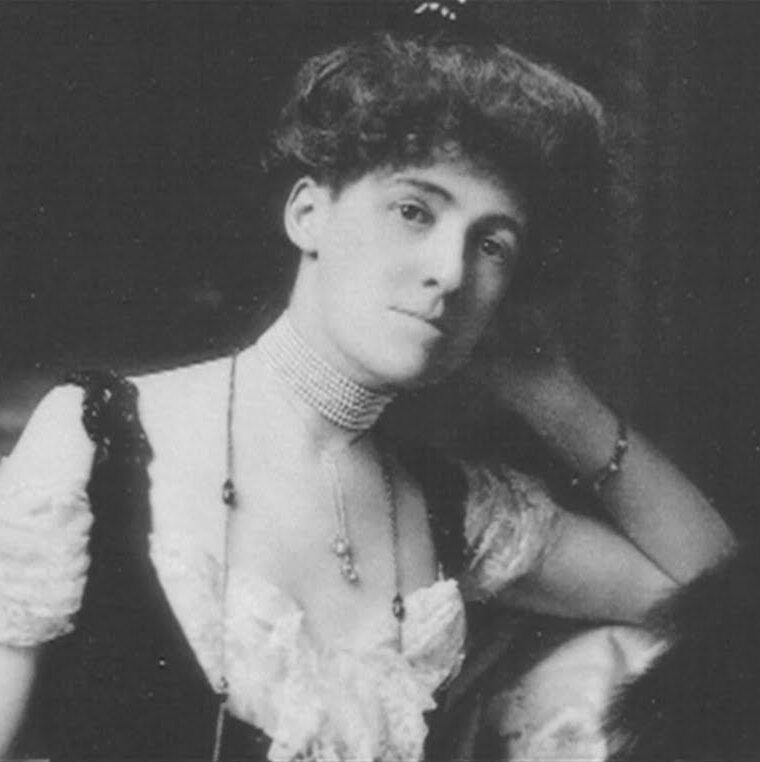
In 1921, Edith Wharton became the first woman to win the Pulitzer Prize for fiction. But that's not all there is to her story.... Read More
Edith Wharton’s The Age of Innocence is the story of a society in transition. It depicts the struggle of late nineteenth-century New York to... Read More

We observe Women’s History Month to honor the women who refused to stay silent. So what better way to elevate their voices than by reading what others tried to censor? Dive into this sensational list of 10 classic banned books written by female authors... Read More

T here are 172 million women in the United States (as of July 2024). And March is Women’s History Month, when we recognize their... Read More.