So… Aphorisms

 W
W
hat the heck is an aphorism, anyway? The Oxford English Dictionary defines it as “a short pithy statement which contains a general truth.”[1] Without getting bogged down in a sea of definitions, the most obvious characteristic of an aphorism (aside from its brevity) is that it offers a universally valid comment on some aspect of life.
We’re all familiar with at least a couple of them. “Blood is thicker than water,” “Charity begins at home,” and “Go the extra mile” are just a few examples.
Like a lot of words in the English language, the origin of the word aphorism dates back to ancient Greece. In this case, to ἀφορισμός /aphorismos. The term aphorismos is derived from the verb ἀφορίζω / aphorizo, which means to divide, mark off, or distinguish. It’s a compound word that consists of the prefix ἀπό /apo (which means “from”), and the verb ὁρίζω / horizo (which means to define, to bound).[2]
Now that we’ve finished geeking out over the word’s origin, let’s take a look at the first aphorisms that were used – the first to go by that name, anyway.
The earliest aphorisms came from Hippocrates (you know, the guy with the medical oath). At the time medicine was considered an integral part of philosophy, so Hippocrates was a philosopher as well as a physician. His aphorisms were a collection of short medical teachings and sayings.[3] And, here’s a few to ponder:
It’s easier to sustain the sick with liquid food than with a thick.
Most summer quartan fevers clear up fast, but those of fall and winter tend to last.
To a patient who is feeble, wan and spent, harsh treatments can bring only detriment.[4]
When the term aphorism was revived in the Renaissance, it continued to look to its scientific origins. However, it soon came to denote the formulation of a philosophical or moral principle as well. And, this gradually took over as its accepted everyday meaning.
.

By the eighteenth century, the shift was so complete that Hippocrates’ medical-based pearls of wisdom were dismissed, leaving us with the current definition of the term.[5]
Like our understanding of what constitutes philosophy, language itself also evolves. As a result, sometimes that well-worn adage doesn’t really mean what our computer-based, Google-driven world thinks it means. And to further complicate matters, all too often the context of many of today’s popular wisdoms has been forgotten.
Though these aphorisms may still contain some good advice, their original message is typically richer and more profound than our contemporary interpretations.
This Book is Banned proffers a few proverbs, sayings, and other pearls of wisdom that have been “unplugged,” as it were. We’ve rebooted, gone back-to-basics, and re-discovered their intended message. Browse our list of restored aphorisms below:

Share This Post, Choose a Platform!
Endnotes:
[1] “aphorism.” The Oxford Dictionary of Phrase and Fable. Edited by Elizabeth Knowles. New York: Oxford University Press, 2000.
[2] Mpampiniotis, G. Etymological dictionary of the new Greek language: the history of the words. Lexicology Centre, Athens, 2009; 244
[3] Gross, John. The Oxford Book of Aphorisms. Oxford University Press. New York: Oxford University Press, 1983. Pg vii
[4] Scholtz M. Hippocrates’ Aphorisms. Cal West Med. 1940 May;52(5):231.
[5] Gross, John. The Oxford Book of Aphorisms. Oxford University Press. New York: Oxford University Press, 1983. Pg vii

Share This Post, Choose a Platform!


Stay in the know about what’s in our ever-growing treasure trove of literary goodness. And, get your free Discover Everything a Book Has to Offer packet.









Related Posts

The phrase "I took the road less traveled by, and that has made all the difference," is typically seen as an anthem of independence. But the closing... Read More

Poetry is as old as history itself. But it's often seen as confounding or frivolous. Discover how to bring this ancient literary form to life.... Read More
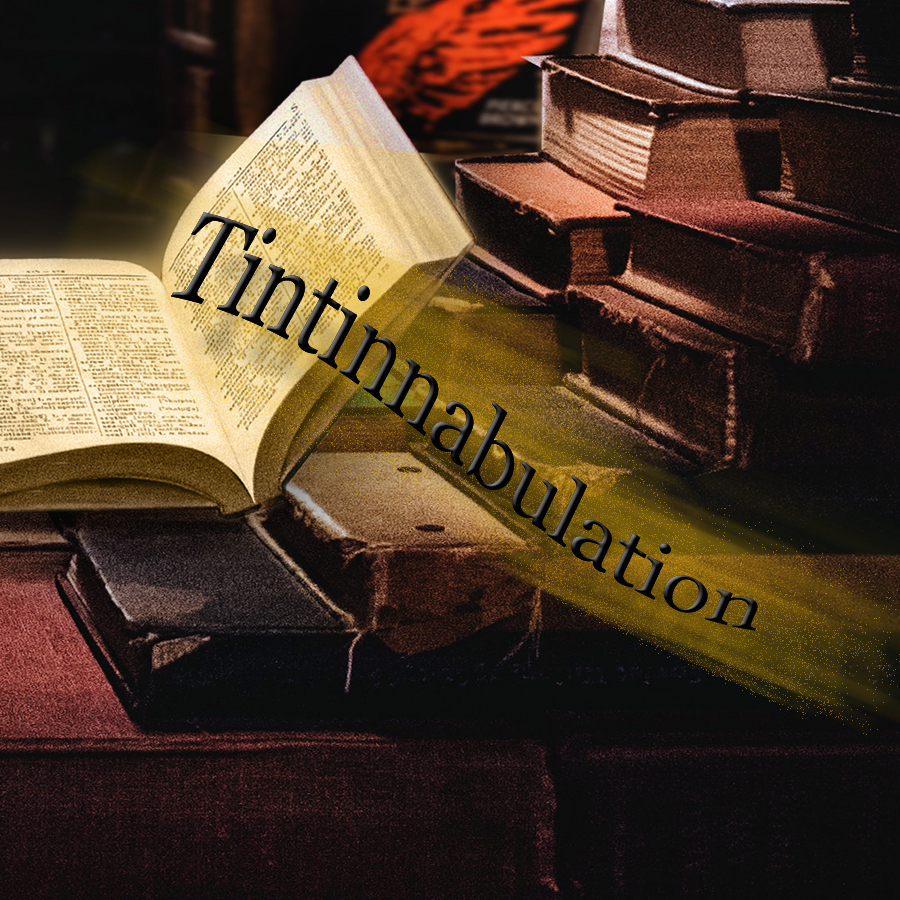
This Fun & Fancy Word Tintinnabulation is an onomatopoeic word. You know, words that sound like what they mean. Edgar Allan Poe celebrates the sonic overtones of tintinnabulation in his poem The Bells.... Read More

April is National Poetry Month! A fundamental part of language, poetry predates writing itself. Every culture has its own take on the art, so what better way to celebrate humanity than by studying poetry? There are many ways to do so. Here’s our list:... Read More