

Aphorisms and Idioms: Carpe Diem

 T
T
he aphorism carpe diem was penned by the Roman poet Horace in 23 BCE, making it one of the oldest philosophical mottos in western culture. But it’s also the most misinterpreted Latin tag ever.
This once obscure phrase from a dead language was launched into popular culture by the 1989 Robin Williams film, The Dead Poets’ Society. And now, it can be found everywhere, from spring break t-shirts, to Metallica songs, to the carpe diem tattoo on 81-year-old Judi Dench’s wrist. These days carpe diem conjures images of adrenaline junkies, instant gratification culture, and “get things done” types taking what they can get whenever they can get it.
This expression was penned by the Roman poet Horace in 23 BCE, making it one of the oldest philosophical mottos in western culture.[1] Unfortunately, it’s also the most misinterpreted Latin phrase ever.[2] And there are a couple of reasons for that. First is the translation factor. Though Williams’ character interpreted carpe diem as “seize the day,” a more precise translation is to pluck, or harvest. [3] This translation of carpe is not only less aggressive, it implies preparation for the future.
The second reason for misinterpretation is that carpe diem is a truncated version of the actual phrase. In its original context, Horace’s Odes 1.11, it is part of the longer carpe diem, quam minimum credula postero, which translates as “pluck the day, trusting as little as possible in the next one.”[4]
So, much to the chagrin of thrill seekers everywhere, carpe diem isn’t a call to ignore the future for some adrenaline boosting excitement today. What Horace means is that the best way to get the most out of life, or as Robin Williams put it “make [our] lives extraordinary,” is to do all we can, every day, to prepare for the future rather than leaving it to chance. Which means you probably shouldn’t schedule that wing-walking session after all. [5]
Be Sure To Check Out More
Aphorisms And Idioms Here.
Aphorisms And Idioms Here.

Endnotes:
[1] Editors of Encyclopaedia Britannica. “Carpe diem.” Encyclopaedia Britannica, 2019. https://www.britannica.com/topic/carpe-diem; Krznaric, Roman. “Reclaiming carpe diem: How do we really seize the day?” The Guardian.com. April 2, 2017.
[2]Barchiese, Alessandro. “Carmina: Odes and Carmen Saeculare.” In The Cambridge Companion to Horace. Edited by Harrison, Stephen. (Cambridge: Cambridge University Press, 2007).
[3]Barber, Daniel. “Presence and the Future Tense in Horace’s Odes.” The Classical Journal. Vol. 109. No. 3 (February-March, 2014), 353; Knowles, Cora Beth. “Horace, Odes 1.11.” Classical Studies Support. https://classicalstuddies.support
[4] Editors of Encyclopaedia Britannica. “Carpe diem.” Encyclopaedia Britannica, 2019.
[5] Harrison, Stephen. “Carpe Diem.” The Cambridge Companion to Horace. (Cambridge: Cambridge University press, 2012).
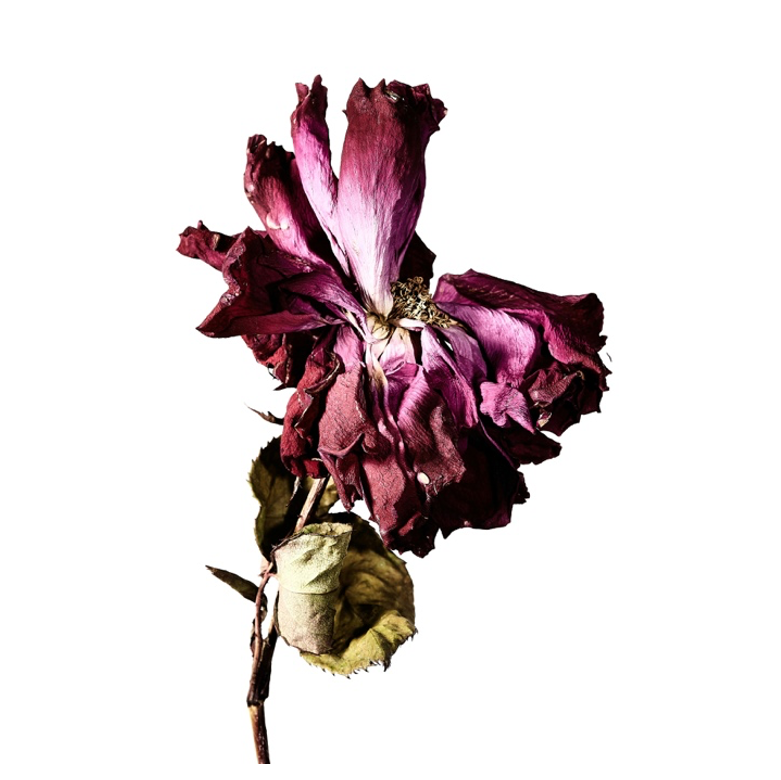
Image by Alexandre Brondino on Unsplash
https://unsplash.com/photos/0zyUEBAQQRg

Share This Post, Choose a Platform!


Stay in the know about what’s in our ever-growing treasure trove of literary goodness. And, get your free Discover Everything a Book Has to Offer packet.

















Related Posts

Jack of all trades. What does Shakespeare have to do with this phrase.? It isn't one he invented. So, what is the Shakespearean connection? ... Read More
There’s a saying that “you only become old when you stop learning.” While often intended metaphorically, there are real biological benefits to maintaining a lifestyle of curiosity. So learn more and keep your brain young. ... Read More

“The writing is on the wall” isn’t about graffiti, Egyptian hieroglyphics, or the stencils above Grandma's family pictures. What is it about?... Read More

Grassroots movement doesn't mean your lawn has become nomadic. What is in motion, then? And how did this idiom get started? ... Read More